An order of protection can disrupt your life, leaving you unsure of what steps to take.
In Bridgeview, IL, Hirsch Law Group helps clients request or respond with clarity and compassion, providing the guidance needed to move forward with confidence.
What Our Bridgeview, IL Clients Are Saying
Don’t just take our word for it—see what our Bridgeview, IL clients are saying!
“Love the service. Very professional and knowledgeable. We felt safe throughout the whole process.”
Jazmin O.
“Everyone was friendly and professional. My case was handled quickly without any issues.”
Danielle M.
“They were very helpful and took the time to answer all my questions. I felt supported the whole way.”
Catalina B.
Put our trial-tested defense team in your corner today.
Get Free Case Review

Order of Protection Lawyers in Bridgeview, IL
Here’s how we support clients dealing with orders of protection:

Emergency Orders
We help you request and respond to emergency orders that can be issued in as little as one day.
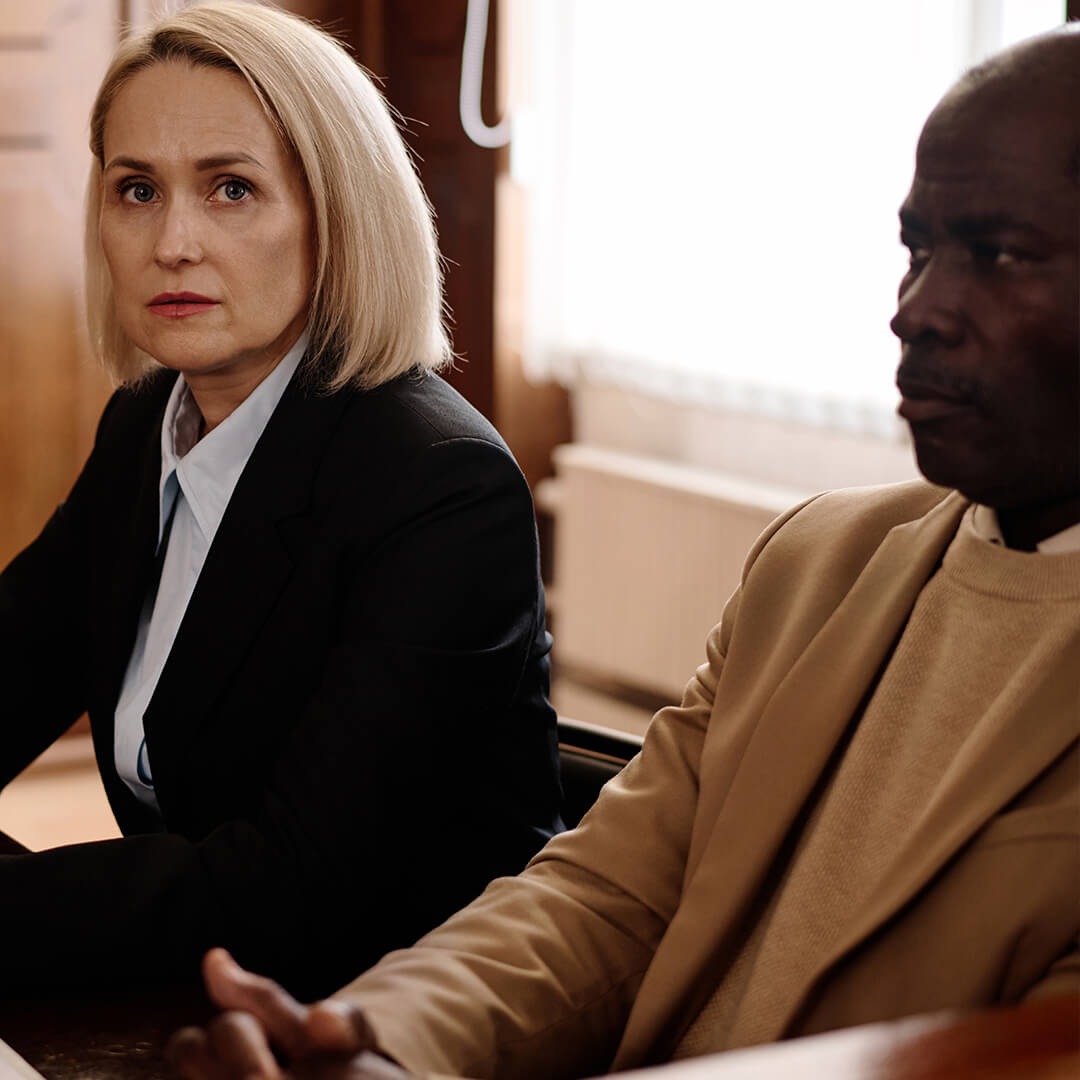
Plenary (Full) Orders
If a temporary order goes permanent, we guide you through hearings, paperwork, and legal strategy.

Modifications & Extensions
Circumstances change. We assist with petitions to modify or extend existing orders
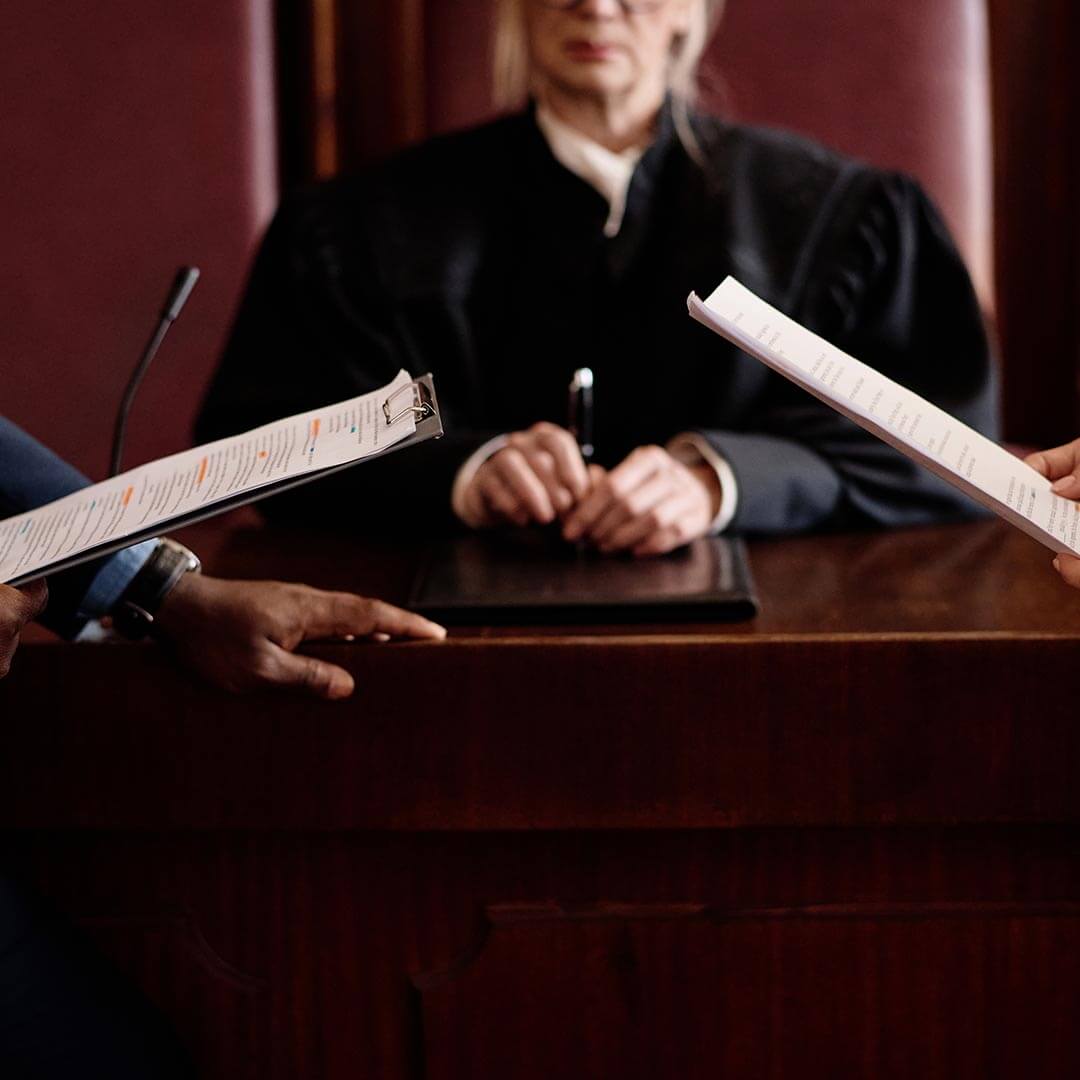
Appeal & Vacate Motions
If you believe an order was wrongly issued, we can file a motion to vacate or guide you through the appeals process.

Collateral Support
Move planning, housing safety, and related concerns often come up. We help with all of that, too.
Legal Guidance For Protection Orders Throughout Bridgeview IL
Hirsch Law Group serves clients across Bridgeview, IL, including courts, neighborhoods, and community centers. When dealing with protection orders, it is essential to have a lawyer who knows your court, your area, and how judges in your region approach cases.
Get Support With Your Order Of Protection Today
Orders of protection come with immediate consequences and strict deadlines. A missed hearing or misread condition could impact your rights or even restrict home access. Acting quickly is vital. Hirsch Law Group guides clients in Bridgeview, IL to respond effectively and safeguard their rights from the beginning.
Why Choose Us for Your Bridgeview, IL Case
-
Experienced Guidance: We handle orders of protection regularly and know the process inside out.
-
Personalized Strategies: Every case is unique, and your plan will be too.
-
Strong Court Advocacy: We represent you fully and protect your rights.
-
Clear Communication: You’ll always know what’s happening and what to expect.
-
Proven Results: Clients trust us to safeguard their safety, family, and future.
Let’s work to protect what matters.
Call Now: (630) 221-0700
Ready To Begin? Get In Touch With Us
An order of protection in Bridgeview, IL can be stressful. Our team is here to meet you with compassion. Bring us your concerns, and we’ll listen. Call Hirsch Law Group at (815) 451-3200 or complete our form for a free consultation.
Frequently Asked Questions
What exactly is an order of protection?
It’s a court order that restricts contact or closeness between individuals, often issued in situations of domestic violence or harassment.
Can you fight a protection order?
Yes. You can request a hearing, file a motion to vacate, or even appeal depending on the type and timing of the order.
What’s the difference between an emergency order and a full order?
An emergency (or temporary) order is issued quickly and without the other person’s input. A plenary (full) order follows a court hearing where both sides are heard.
How long does an order of protection last in Illinois?
Temporary orders generally last until the court hearing, usually within 14–21 days. Plenary orders can last up to 2 years, depending on the case.
Can a protection order impact my housing or parenting time?
Yes. Orders can require someone to leave a shared home or limit their contact with children. These are serious issues that need legal care.
What if the person who filed the order says they want to drop it?
That may allow you to file a motion to dismiss or vacate the order but timing matters, and the court still has the final say.